A field guide · Edition 01 · October 2026
Where slavery hides, and the brands proving it doesn't have to.
Three industries carry most of the forced-labor risk in what we wear, eat and gift. This guide follows each supply chain back to the field, the mill and the mine, and names the brands that can show their work.

A collaboration
Bearing witness to the invisible, so that what we buy can be chosen with open eyes.
The 80/20
Wear. Eat. Gift.
The Index
The brands, ranked.
Ranked within each industry on verification, not promises: published supplier lists, independent audits or scorecards, and how far back toward the farm or mine a brand can actually trace. Scores are our editorial judgment out of 10.

Supply Chains
Follow it back to the source.
Pick an industry, then tap any link in the chain to see where forced labor shows up, in which countries, and who documented it.
Hotspots to know
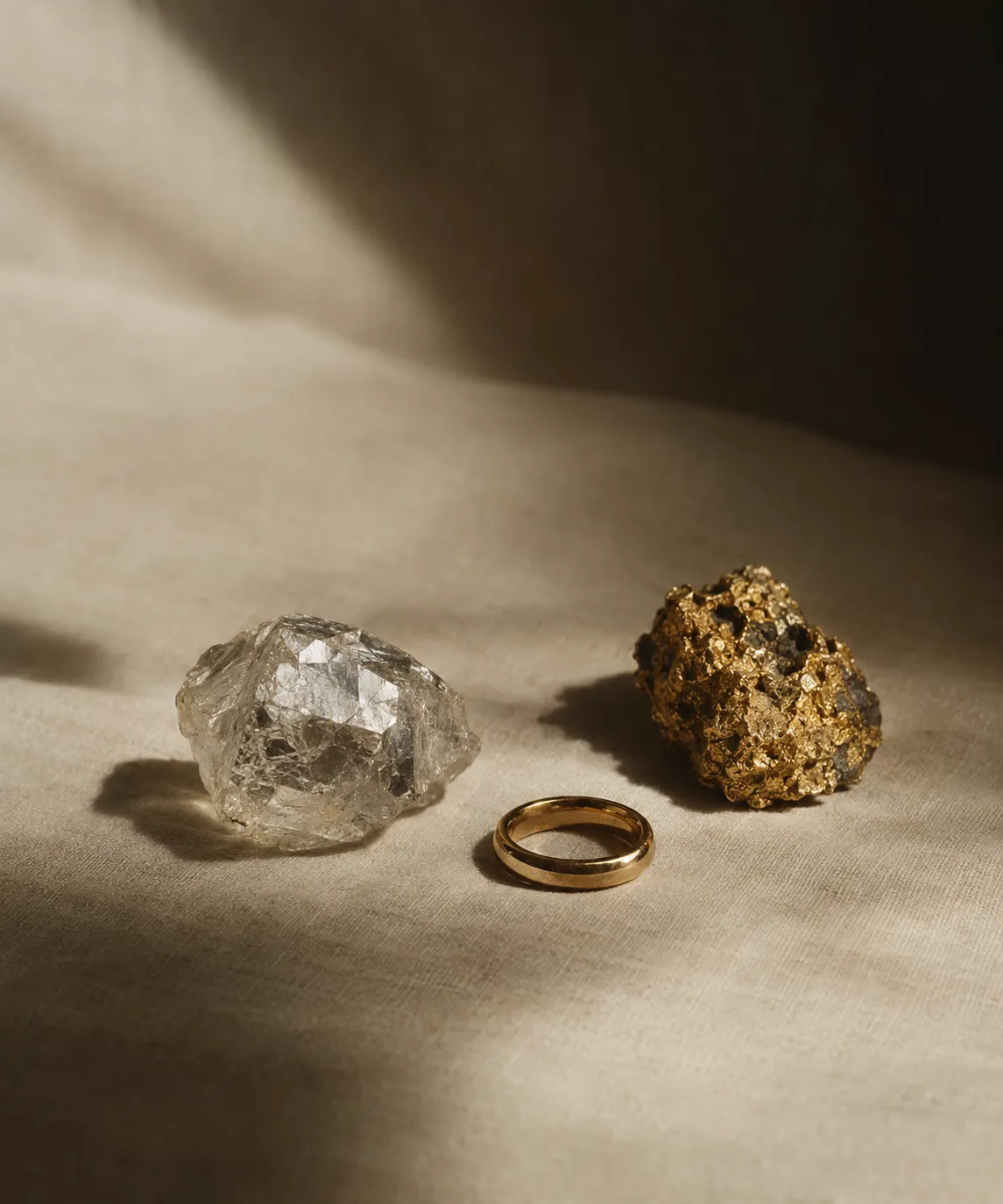
The Standard
Tiffany & Co. What "clean" looks like.
Tiffany is the model because it shows its work. For every newly sourced diamond of 0.18 carats or more, it discloses the country of origin and every country where the stone was cut, polished, graded and set. It owns its own polishing workshops through Laurelton Diamonds, so it isn't relying on a stranger's paperwork at the riskiest step.
The honest footnote
- The 99.99% figure covers registered diamonds. Gold and other metals were last reported at "over 99%" traced to a known mine or recycled source, in 2021.
- The numbers are self-reported, and Responsible Jewellery Council certification has been called "weak assurance" by Human Rights Watch.
- Traceable is not the same as proven slavery-free. It is the precondition for it, and Tiffany has more of it than any major peer.
You can't clean what you can't see. Tiffany's edge is visibility.
Case Study · Apparel
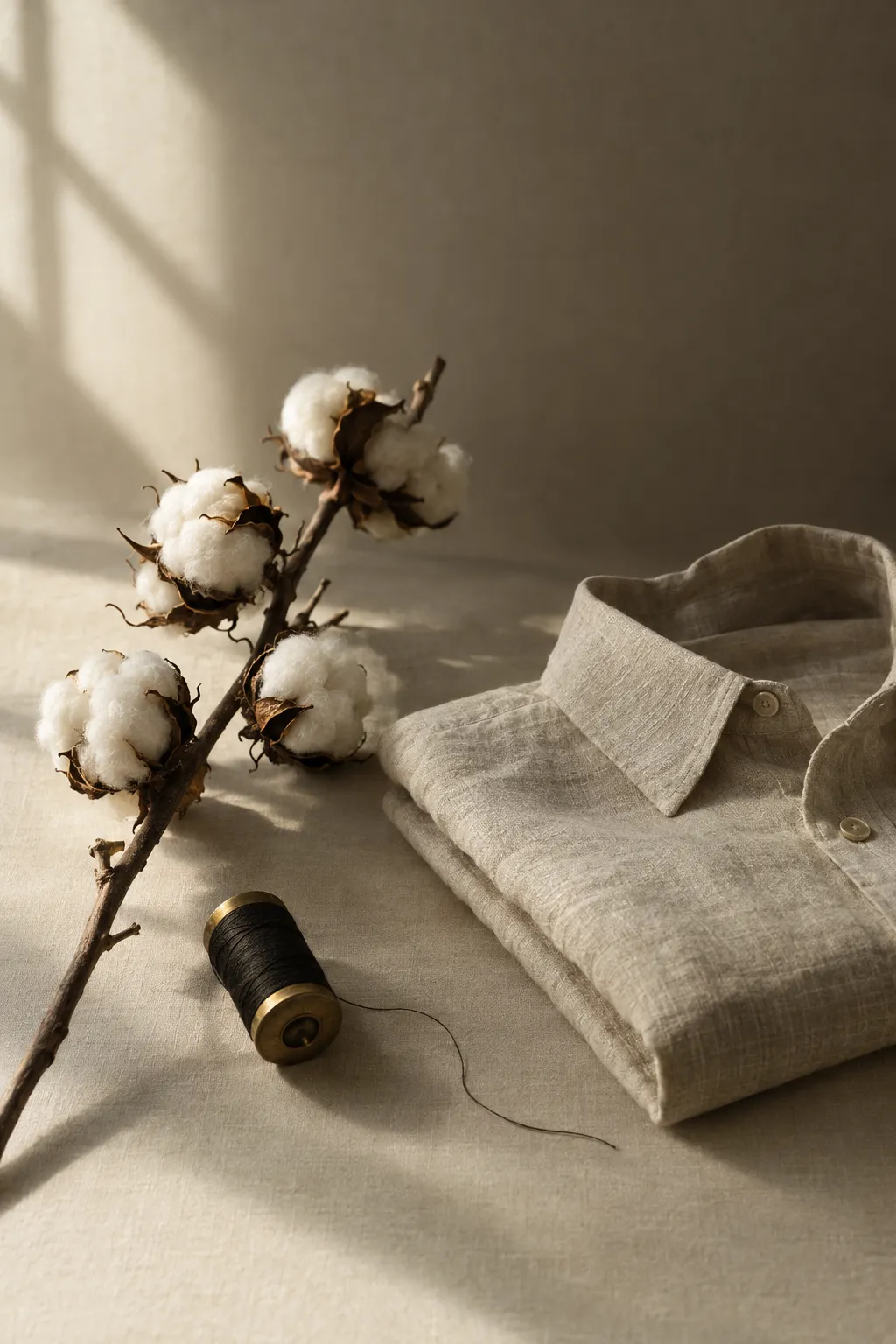
Cotton washing.
Spotlight · Vuori
A strong foundation, and the next layer.
Vuori's vendor code bans forced, bonded and prison labor outright and reaches subcontractors and sub-suppliers (Vuori). That's the right foundation. The gap isn't values, it's visibility, and it's one almost the whole industry shares.
Already in place
The next layer
How to say it, kindly
Why recycled polyester isn't a full shield
Questions worth asking a supplier
The tools that close the gap
How to Choose
Good signs, and what to question.
The same three questions work in every aisle: can the brand name its factories, has someone independent checked, and can it trace the raw material past the final factory?
Look for
Question it when you see
Who's Watching
The people keeping score.
Transparentem is the investigative nonprofit that traces abuse to named supply chains and brands. Transparency International, at transparency.org, focuses on corruption rather than rating brands.
The rules are tightening
Method
What we counted, and what we didn't.
Each brand was assessed by separating what a company says (policy) from what someone else has checked (independent audits, certifications, benchmark scores, origin testing). Rankings favor brands that publish supplier lists and trace beyond the final factory. Where a figure is company-reported, the card says so.
No brand here is perfect, and inclusion is not a guarantee of a slavery-free product. Research current as of October 2026.